

It was no secret at the NFL trade deadline. The Kansas City Chiefs had to add a wide receiver, and with options like Brian Thomas Jr. apparently off the table, Josh Downs was the obvious answer.
The Chiefs pulled the trigger on deadline day, sending a 2027 fourth-round pick and a 2027 fifth-round pick to the Indianapolis Colts in exchange for Downs and a 2027 seventh-round pick. The deal had to get done, and general manager Brett Veach made it happen.
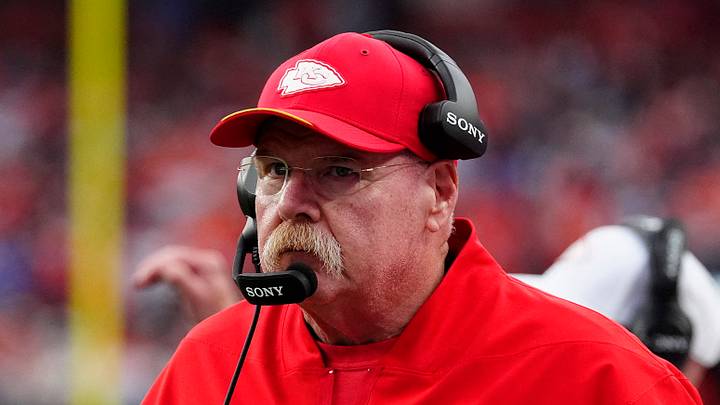
But adding the player is only half of the work. Now that Downs is in the building, the responsibility to integrate him into the offense lies on Andy Reid’s shoulders. If Reid can’t figure out a way to make this homogeneous wide receiver room make sense, the Chiefs won’t get the full benefit of adding Downs to the roster.
Andy Reid has to work his magic to make Chiefs’ WR room make sense
Kansas City’s wide receivers don’t fit into the typical set of roles that make up an NFL pass-catching group. Usually, you have your vertical “X” receiver, your zone-beating “Z” receiver, and a slot option. Without Tyquan Thornton, the Chiefs only check the latter two boxes.
Downs and Xavier Worthy are both just 5’9” and lack the physicality to beat press coverage, and Rashee Rice is best used as a zone beater.
Downs does bring something new to the table. He’s an excellent route-runner and can win consistently against man coverage. According to SumerSports, Downs currently has more receiving yards and more total EPA against man coverage than any Kansas City wideout.
The Chiefs desperately needed someone to beat man on third downs, and he can fill that role, but he works almost exclusively from the slot.
Without the traditional set of receiver archetypes, Reid will have to get creative. He can’t just slot Downs into the open “X” role and hope for the best.
Josh Downs trade pushes Chiefs to a schematic shift
One option would be to lean into condensed formations, allowing each receiver to work from a sort of slot alignment and limiting the advantage opponents gain from press coverage. Kansas City has already increased its rate of condensed formations this season, so Reid wouldn’t have to completely change his scheme to make this work.
According to Shawn Syed, the Chiefs were using the ninth-lowest average formation width in the NFL through the first month of the season. They ranked 26th in that category last year.
By narrowing his formations, Reid can give his receivers more free releases, taking advantage of their strengths while hiding their weakness against press coverage. This strategy could fold Downs into the offense without sacrificing production from Rice and Worthy.
It may be a bit outside of Reid’s comfort zone, but it could lead to the improvement in the passing game that Chiefs fans are hoping for.
 Add us as a preferred source on Google